
Adults-Only Resorts In Mexico: Understanding Locations, Beach Access, And Surroundings

Location patterns and coastal access characteristics for adults-only properties in Mexico
Coastal setting types often determine the practical nature of beach access and shoreline use. Wide sandy bays commonly provide easier, safer swimming conditions and more space for beach facilities, while narrow coves and rocky shores may offer scenic value but more limited swim zones. Many adult-focused properties are sited where local terrain allows stepped terraces or cliffside viewpoints; these placements can require stairs or short walks to reach the water. Seasonal weather and prevailing winds also affect wave conditions and beach erosion patterns, which in turn influence whether a property can maintain direct sandy access year-round.
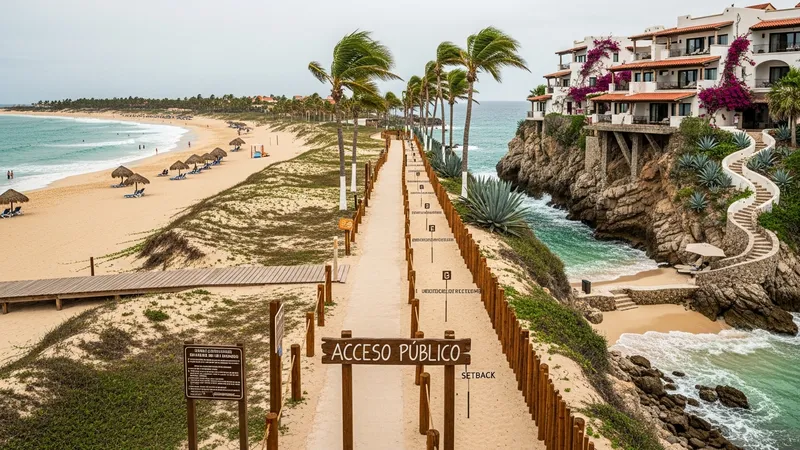
Public access and legal shoreline boundaries vary across Mexico, and those variations can shape how a resort interfaces with its environment. In many coastal areas, the public has rights to the foreshore while private developments occupy adjacent land; the resulting configuration can lead to managed walkways, private beach sections, or shared-use arrangements. Properties often work within municipal regulations concerning dune protection, setback lines, and permitted coastal structures. As a result, beach usability can differ by site even within the same region, depending on local planning and conservation priorities.
Infrastructure near the shoreline plays a role in guest movement and convenience. Proximity to paved roads, municipal services, and local transit may determine whether guests can reach nearby towns without extended transfers. In some regions, resorts occupy stretches with limited public lighting and fewer commercial outlets, which may appeal to travelers seeking quieter surroundings but can increase reliance on on-site services. Conversely, properties in resort corridors may offer immediate access to shops, marinas, and organized excursions, altering the pattern of daily mobility and shore-based activities.
Seasonality and environmental cycles are considerations for coastal access. Storm seasons can rearrange sandbars, alter currents, and affect suitability for swimming or water sports. Marine conservation measures, such as turtle nesting protections, can create temporary beach closures or restrictions on nighttime lighting. These factors often influence how properties schedule activities and how visitors plan shore-based time. Being aware that coastal conditions may change seasonally can help set expectations regarding beach access and adjacent natural features.