
Full Service Spa Experience: A Guide To Massage, Skin Care, And Body Treatments

Massage Modalities within a Full-Service Spa Experience
Massage offerings in a full-service spa often include a spectrum of modalities suited to different goals and tolerances. Modalities commonly encountered include Swedish-style techniques focused on relaxation, deeper myofascial or deep-tissue approaches that address localized tension, and modality blends such as hot stone or aromatherapy-enhanced sessions. Session lengths typically range from 30 to 90 minutes, with start-to-finish visit time often longer to accommodate intake and recovery. Training expectations for therapists vary by jurisdiction, but spas commonly emphasize hands-on technique, client communication, and recognition of contraindications to ensure both client comfort and safety during service delivery.
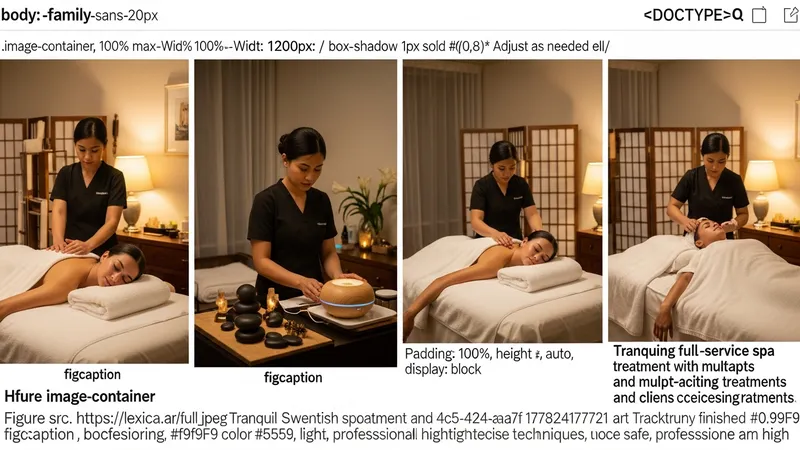
When integrating massage with other spa services, sequencing is an important consideration. Lighter massage may follow facial procedures to avoid disturbing sensitive skin, whereas deeper manual work is often scheduled separately from intensive skin treatments. Massage therapists and estheticians often use brief handoff notes or electronic records to maintain continuity across sessions. Temperature control, pressure adjustments, and draping protocols are practical details that spas may standardize so clients experience consistent treatment flow and privacy regardless of the specific modality chosen.
Client intake and screening for contraindications are common components of massage protocols and typically include questions about recent surgeries, acute injuries, pregnancy status, medication that affects circulation, and skin issues. Spas often use this information to modify technique or to suggest alternative modalities within the scope of practice. While massage can influence subjective relaxation and comfort, descriptions of outcomes are framed conservatively; practitioners typically advise clients on expected sensations during and after treatment and on when it may be appropriate to consult qualified medical professionals for health conditions.
Staff development and quality assurance in the massage area may include ongoing technique refreshers, peer observation, and client feedback systems treated as informational rather than promotional metrics. Facilities may maintain cleaning and laundering protocols for linens and bolster ventilation to support hygiene. For operational planning, many spas build appointment templates that allow adequate turnover time between sessions, aiming to reduce overlap and maintain calm in shared spaces while accommodating varied client preferences for session length and modality.