
Full Service Spa Experience: A Guide To Massage, Skin Care, And Body Treatments

Appointment Structure and Personal Care Environment in a Full-Service Spa Experience
Appointment structure in a full-service spa commonly follows a pattern of pre-arrival intake, arrival check-in, treatment time, and post-treatment recovery or transition. Intake forms or brief interviews are often used to record relevant client information such as allergies, skin sensitivities, recent procedures, and personal comfort preferences. Staggered scheduling is frequently applied to minimize overlap in shared relaxation areas. Facilities may use time buffers between appointments to allow for cleaning, resetting rooms, and preparing linens, which helps maintain hygienic standards and consistent client flow without implying guaranteed wait times.
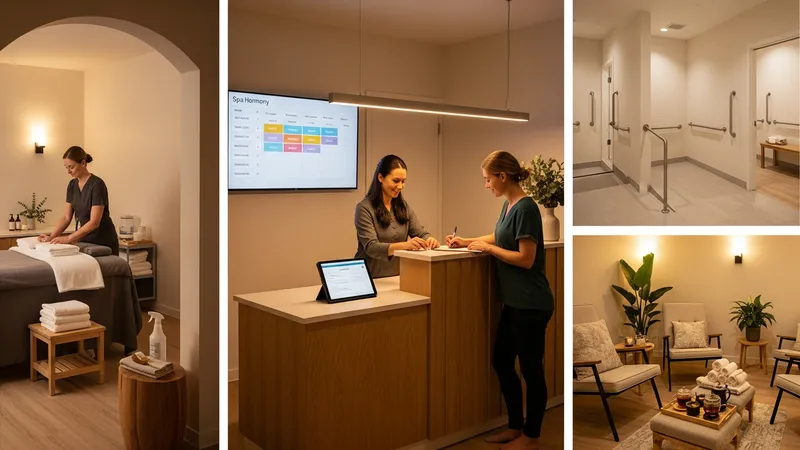
Environmental factors play a central role in shaping the perceived quality of a spa visit. Lighting, ambient sound levels, scent management, room temperature, and the quality of linens and massage tables are all variables that spas manage to support comfort. Many facilities allow for minor client preferences such as pressure level or music volume while preserving broader standards for privacy and safety. Accessibility considerations—such as step-free access, accessible changing areas, and staff assistance—are increasingly addressed to provide inclusive services for a wider range of clients.
Privacy and informed consent are practical considerations in personal care environments. Draping protocols, private consultation areas, and clear explanation of procedure steps are commonly used to maintain client dignity and understanding. Record-keeping practices for intake and treatment notes assist continuity across visits while adhering to local data protection norms. Spas often adopt cleaning regimens, linen handling protocols, and equipment sanitation schedules as part of their operational framework to reduce cross-contamination risks and maintain a consistent environment for consecutive appointments.
Operational policies that govern appointment flow—such as arrival timing guidelines, recommended attire, and typical session durations—are usually framed as informational to help clients plan visits. Cancellation or rescheduling practices may be stated clearly in booking information without using urgency language. Ultimately, the structure and environment of a full-service spa aim to balance procedural efficiency, client comfort, and safety considerations; subsequent choices about specific services are left to client preference and professional assessment rather than prescriptive recommendations.