
Global Interior Design Trends: Key Styles And Influences Around The World

Furniture, spatial planning, and functional influences in contemporary interiors
Furniture choices and spatial planning both reflect and shape how interiors are used. Open-plan arrangements can support social, flexible uses of space, while clearly delineated rooms may support dedicated activities such as focused work or intimate dining. Furniture that serves multiple functions—convertible tables, storage-integrated seating, modular sofas—often appears where spatial efficiency is valued. Decisions about scale, circulation, and sightlines typically align with broader stylistic goals, whether that is a sense of calm minimalism or layered, textured traditional interiors.
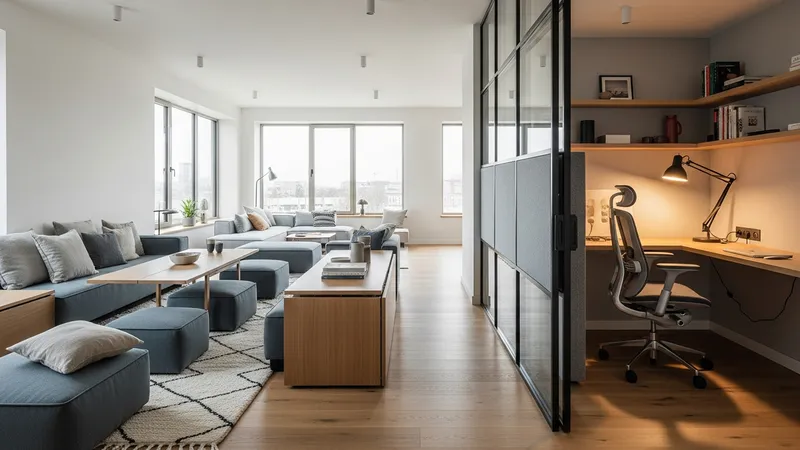
Ergonomics and human factors are increasingly integrated into interior layouts, especially in commercial and home-office settings. Adjustable seating, task lighting, and acoustical considerations may be specified to support comfort and productivity. These functional priorities can be combined with stylistic aims: for example, task lighting selected for ergonomics can be expressed through a product that matches a minimalist or industrial aesthetic. Thus, functional and stylistic objectives often converge in product selection and placement.
Durability and maintenance needs influence furniture material choices and upholstery. In public or hospitality settings, stain-resistant fabrics and robust frame constructions are commonly used, whereas private residences may prioritise tactile natural materials even if they require more care. Procurement patterns—local bespoke versus standardized lines—also affect how a style is realised: bespoke pieces typically allow for greater regional expression, while mass-produced items provide consistency across different markets.
Layout strategies may also be shaped by digital tools that enable virtual planning and visualization. Floor‑planning software and augmented-reality previews can help stakeholders evaluate proportions and finish combinations before implementation. These technologies often encourage iterative testing of configurations and finishes, which tends to make the final spatial plan more responsive to both functional needs and stylistic intentions. Readers may observe that technology thus supports adaptation of global trends to specific contexts.