
Kitchen Grease Removers: Choosing Heavy Duty Formulas For Commercial And Home Use

Surface compatibility and material considerations for heavy-duty grease cleaners
Different surfaces commonly found in kitchens respond differently to heavy-duty cleaners. Stainless steel generally tolerates many alkaline and solvent cleaners but can be susceptible to surface etching if exposed to strong caustics at high temperature. Aluminum and painted or powder-coated metals may discolor or lose finish with strong alkaline or solvent exposure. Natural stone countertops such as granite or marble typically require neutral pH cleaners to avoid etching, while plastics and laminate surfaces may soften or craze when exposed to aggressive solvents. Understanding these tendencies helps select chemistry and dilution that may minimize material damage.
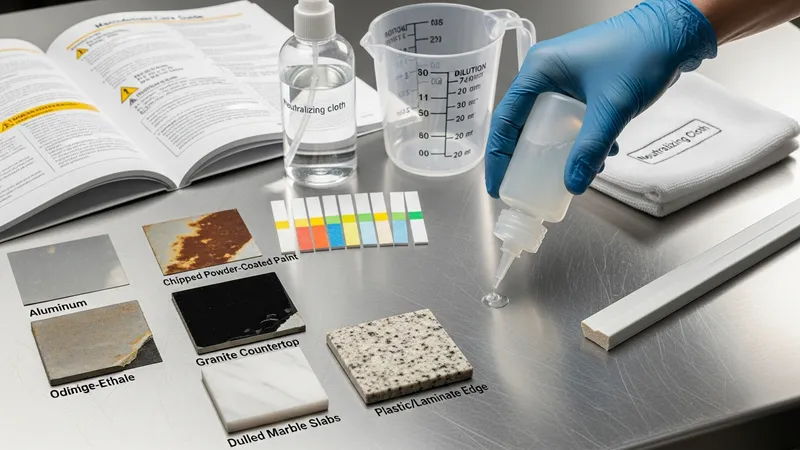
Testing on an inconspicuous area is often advised before full-scale application; a small trial can reveal color change, finish alteration, or adhesive weakening. Manufacturers of commercial kitchen equipment and countertop materials typically provide care guidance that may list incompatible chemicals and recommend safe alternatives. For food-contact surfaces, rinsing with potable water after degreasing and using products rated for incidental food contact are common practices to reduce residue concerns, with neutralization steps included where necessary.
Application temperature and mechanical action can alter how a cleaner interacts with a surface. Elevated temperatures often increase chemical activity and can accelerate cleaning, but heat combined with strong alkalis may intensify corrosive effects. Mechanical scrubbing or abrasion can remove grease more quickly but may also strip protective factory finishes, making selection of less abrasive pads or brushes important. Using mild agitation with an appropriate chemical may often be preferable to aggressive scouring that can cause permanent surface change.
Rinse and post-treatment care are practical considerations tied to material compatibility. For substrates sensitive to alkalis or solvents, thorough rinsing and neutralizing with a mild acidic rinse or manufacturer-recommended neutralizer may often be part of the protocol. Periodic conditioning or resealing of porous stone or specialized finishes may reduce future penetration of oils, which can in turn influence how often heavy-duty treatments are required.