
Single Mom Housing: Practical Strategies For Navigating The Rental Market

Lease terms, tenant rights, and long-term housing planning
Understanding lease terms often begins with reviewing clauses on duration, rent escalation, repairs, subletting, and termination. Standard leases may range from month-to-month arrangements to fixed-term agreements; each has trade-offs in flexibility and predictability. Tenants commonly examine notice periods, conditions for security deposit returns, and responsibilities for routine maintenance. Clarifying these details in writing can reduce misunderstandings during tenancy and help plan for likely future expenses related to upkeep or minor repairs.
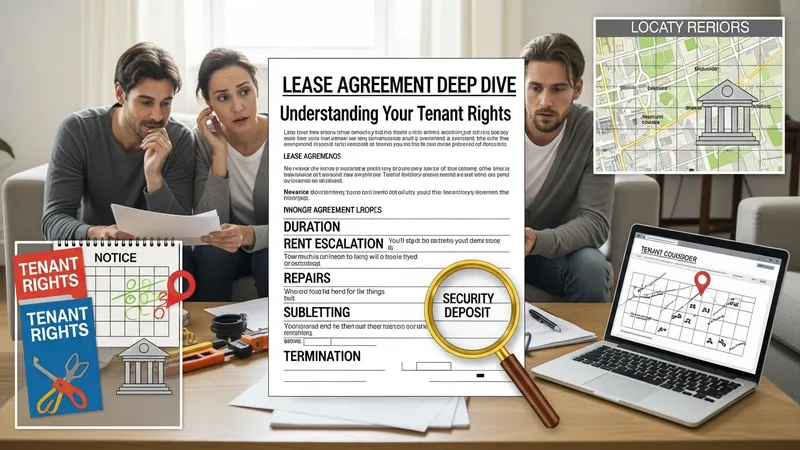
Tenant rights and local regulations vary by jurisdiction but may include protections related to eviction processes, habitability standards, and anti-discrimination rules. Familiarity with local tenancy laws or access to tenant counseling services can provide clarity on common questions, such as what constitutes acceptable notice for entry, standards for repairs, and the process for deposit disputes. These are informational considerations intended to help households understand the legal context rather than to substitute for professional legal advice.
Longer-term housing planning often addresses the question of stability versus flexibility. Some households prefer shorter leases to retain mobility for job or family changes, while others prioritize multi-year stability to provide consistency for children. Planning may involve setting financial goals—such as building a larger emergency cushion, saving for moving costs, or exploring eligibility for longer-term housing programs. These elements typically interact with employment plans, childcare needs, and community ties when shaping longer-term decisions.
Reviewing renewal options and exit conditions is a practical part of planning. Tenants often note timelines for lease renewal notices, potential rent increases, and any procedural steps required to terminate a lease without penalty. Anticipating upcoming changes—such as school year transitions or employment shifts—can make lease timing an important factor in maintaining continuity for children. Understanding typical timelines and contractual obligations can reduce disruption when changes are needed.