
Why Health Insurance Is A Must—Even If You’re Young And Healthy

Preventive Care Packages and Long-Term Wellness Implications
Preventive care packages are specifically designed to facilitate easier access to health services that help detect conditions early or prevent illness entirely. These packages typically cover annual physical exams, immunizations, screening tests, and sometimes counseling services. For individuals in early adulthood with relatively few apparent health concerns, the inclusion of preventive care within an insurance plan can offer support for continued wellness.
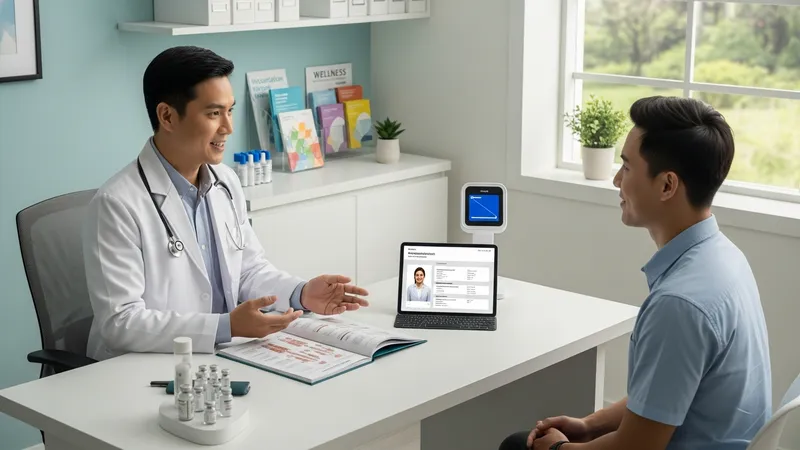
Routine checkups and screenings can identify emerging health concerns, even in people who may feel completely healthy. When covered by insurance, these types of visits are typically available at minimal or no out-of-pocket cost, encouraging early intervention and potentially reducing the severity of future health issues. Immunizations provided through preventive care packages can also have broader public health implications by limiting the transmission of communicable diseases.
Preventive care does not guarantee the avoidance of serious illness, but it may lead to improved health outcomes over time due to timely identification and management of risks. Research has tied the presence of preventive offerings in insurance policies to increased rates of early disease detection and, in some cases, reduced need for intensive interventions at later stages. These patterns highlight possible long-term advantages for both individuals and health systems.
Preventive packages may be perceived as particularly useful for young adults entering life stages that could involve changes to lifestyle, activity level, or exposure to new environments. As health insurance adapts to broader healthcare trends, the inclusion of preventive services remains a stable feature designed to promote overall well-being. The following section addresses catastrophic health plans as another consideration for this demographic.