
Window Repair: When To Repair Windows And When Replacement May Be Considered

Assessing damage and performance indicators for repair versus replacement
A careful assessment begins by cataloguing observable indicators and performing simple functional checks. Inspectors typically note fogging between panes, difficulty opening or closing, visible rot or corrosion, condensation patterns, and water staining around frames. Performance testing may include a draft check, visual inspection for sealant failure, and operability tests of locks and balances. Where available, measuring indoor temperature differentials or using infrared imaging can indicate heat loss patterns. These assessments help prioritize repairs that restore function versus identifying systemic defects that make replacement a more comprehensive solution.
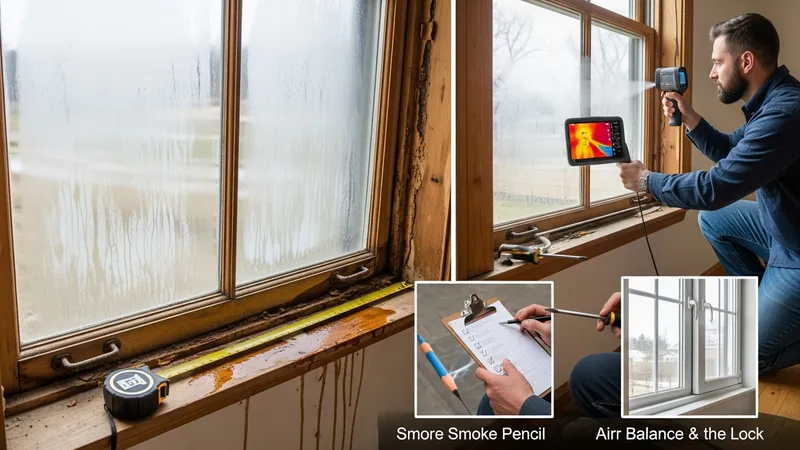
Visible signs like localized wood rot or single-pane seal failure can sometimes be remedied without full replacement, particularly when the framing integrity remains. Conversely, signs of structural compromise — such as widespread frame distortion, repeated leakage despite prior repairs, or multiple failed insulating glass units — often point toward replacement consideration. Estimators may also factor in the window’s age and historical performance; older windows that have required frequent maintenance may be less cost-effective to continue repairing over time compared with installing a new system.
Assessments may also include evaluating impacts on occupant comfort and utility use. Reduced thermal performance can lead to uneven indoor temperatures and potentially higher heating or cooling use; measuring these effects may show whether repairs will meaningfully improve efficiency. Decision-makers sometimes seek estimates of expected energy savings after repair or replacement, expressed as typical ranges, to inform choices. However, projected savings can vary by climate, window orientation, and building envelope characteristics, so they are best viewed as indicative rather than certain.
Practical considerations during assessment often include accessibility, interior finishes adjacent to windows, and whether matching existing aesthetics is important. Repair work may be less disruptive to surrounding trim and finishes, while replacement can require trim removal and refinish work. The presence of historical or custom windows may favor targeted repairs to retain character. Evaluating these contextual elements alongside technical indicators helps produce a balanced recommendation that reflects both performance and preservation priorities.