
Same Day Tooth Replacement: Understanding Immediate Dental Restoration Options

Clinical workflow and appointment process for immediate dental restoration
The clinical workflow for a single-visit tooth replacement typically begins with comprehensive assessment: medical and dental histories, radiographic imaging, and intraoral evaluation. Diagnostic imaging such as cone-beam CT or panoramic radiography may be used to evaluate bone and anatomical structures when implant placement is considered. For restorations on existing teeth, intraoral scanning or conventional impressions document preparatory needs. This diagnostic phase can determine whether immediate provisionalization or same-day definitive restoration is clinically appropriate.
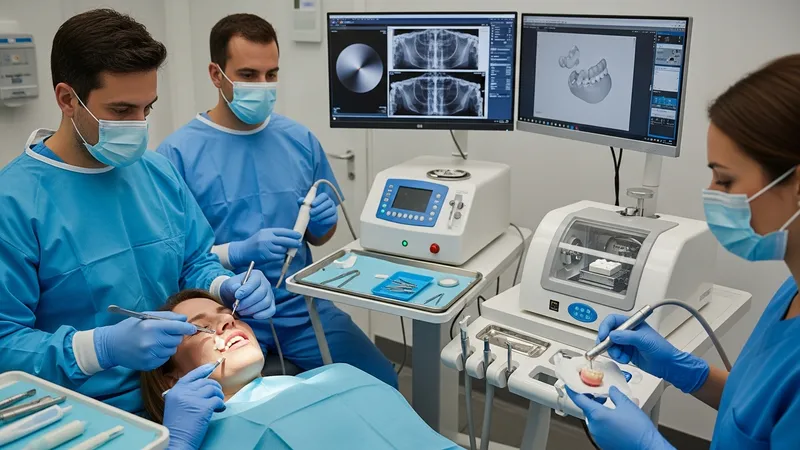
During the appointment, surgical and prosthetic teams coordinate timing for sequence-sensitive steps. For implant-based immediate restorations, surgical placement and verification of primary stability are followed by fabrication or adjustment of a provisional prosthesis. For chairside crown workflows, digital scanning, design, milling, and intraoral adjustments occur in sequence. When laboratory involvement is required, clinicians may use in-office temporization to provide a same-day interim restoration while definitive work proceeds externally. Each step can affect overall appointment length and follow-up needs.
Time considerations for single-visit procedures often differ from staged care. A same-day implant provisionalization visit may take several hours and commonly includes anesthesia, surgical placement, and prosthetic fitting. Chairside crown workflows may be completed in a few hours if digital equipment and staff expertise are available. Practices may schedule extended appointments and reserve time for intraoperative adjustments or occlusal refinements. Clear documentation of steps performed and material selections is typically prepared for both immediate and subsequent care phases.
Follow-up arrangements commonly accompany same-day restorations to monitor healing, manage occlusion, and plan definitive restorations. Short-term follow-up visits may occur within one to two weeks for soft-tissue assessment and provisional refinement, while longer-term evaluation can determine when a transitional restoration should be replaced by a definitive prosthesis. These planned touchpoints help clinicians observe biological responses and make data-driven decisions about converting provisional restorations to final solutions.